
From the La Convención valley to your cup
We are a Cusco company that exports green coffee from farms in Santa Teresa and Santa Ana, in La Convención, and offers it roasted, ground or whole bean, across Peru.
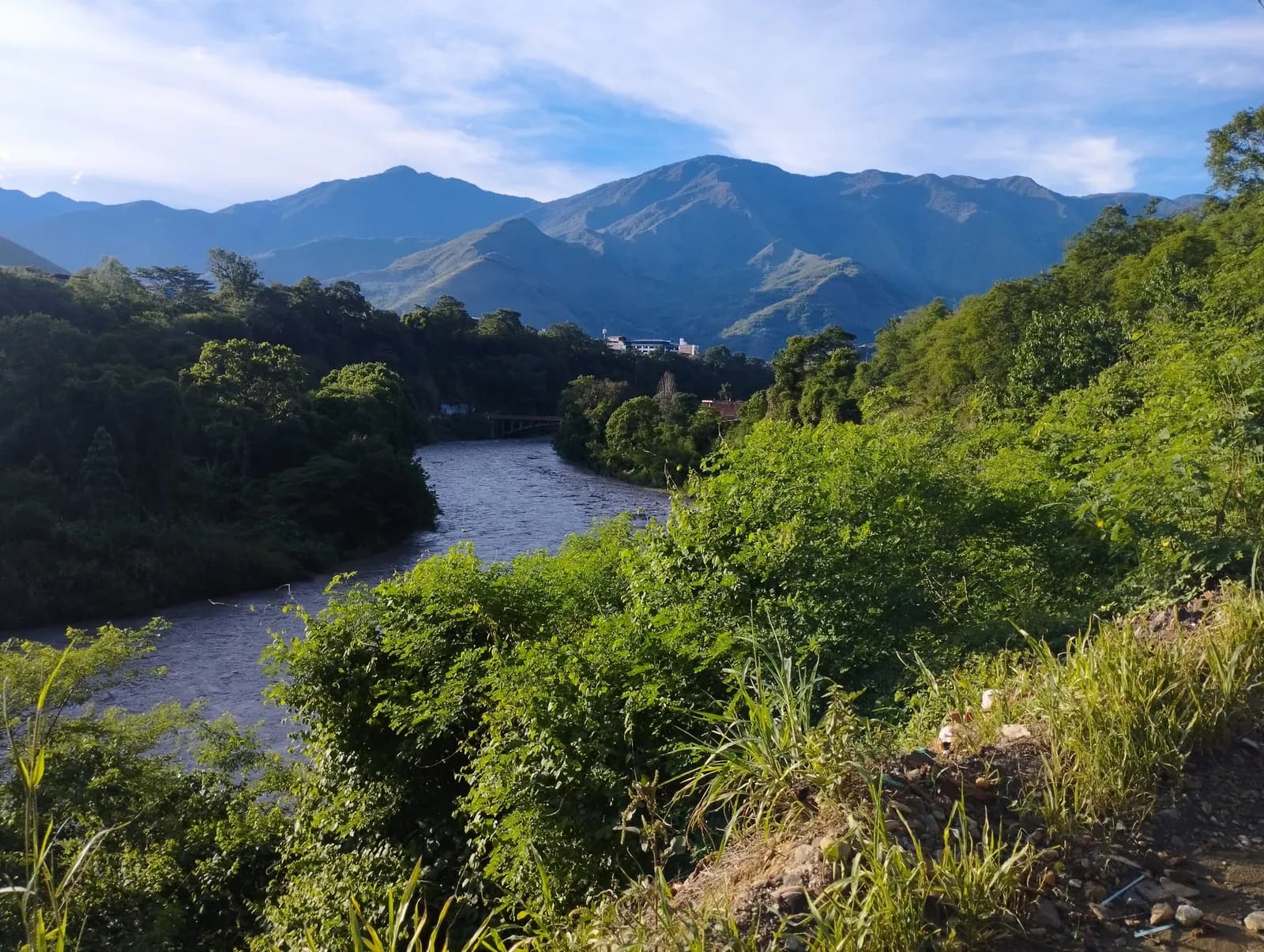 Foto: Ordzonhyd Rudyard Tarco Palomino / Wikimedia Commons, CC BY-SA 4.0
Our story
We grew up among coffee farms. Our families have grown coffee in La Convención for three generations, and for years sold it without knowing where it ended up.
In 2022 we started separating lots by farm and by process, cupping them and recording every delivery. That is how we found that the same valley produced very different cups depending on altitude and drying.
Today we work with Finca La Nueva Alianza, in Santa Teresa, and Finca La Posada del Sol, in Santa Ana. We export directly, so the roaster knows who grew the coffee and the farmer knows where it goes.
Where our coffee grows
Two high-jungle areas of La Convención province, north-west of the city of Cusco.
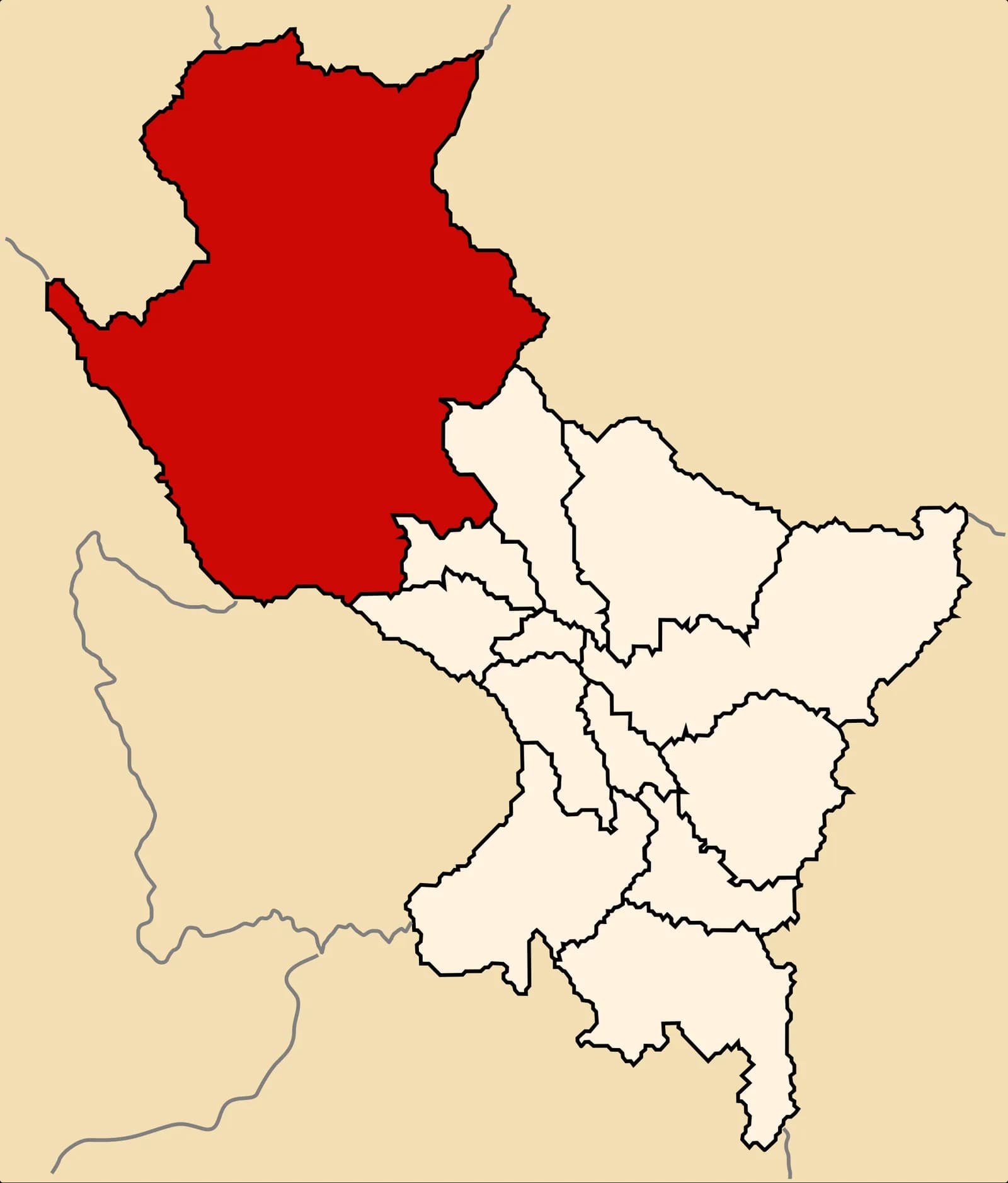 Mapa: AgainErick / Wikimedia Commons, CC BY-SA 3.0
Growing zones
- Santa Teresa
- Altitude: 1,600–1,800 m a.s.l.
- Valleys running down from the snow-capped Salkantay to the Urubamba River. Home to Finca La Nueva Alianza, the source of our washed Geisha.
- Esmeralda (Santa Ana)
- Altitude: 1,550 m a.s.l.
- Slopes near Quillabamba, the provincial capital. Home to Finca La Posada del Sol, which offers its Geisha washed, honey and fermented.
From farm to cup
Five steps we control at origin.
- Foto: Faris Ristiansyah / Unsplash
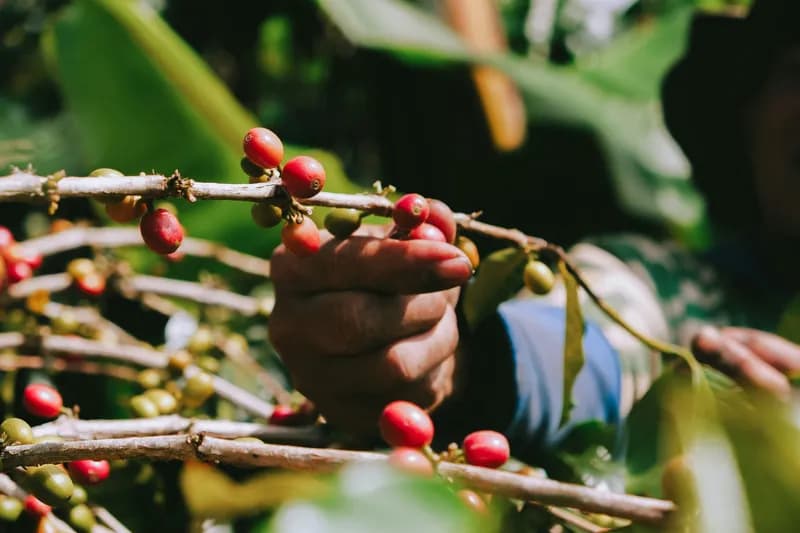
Selective picking
Ripe cherries only, in several passes per season.
- Foto: Michael Burrows / Pexels
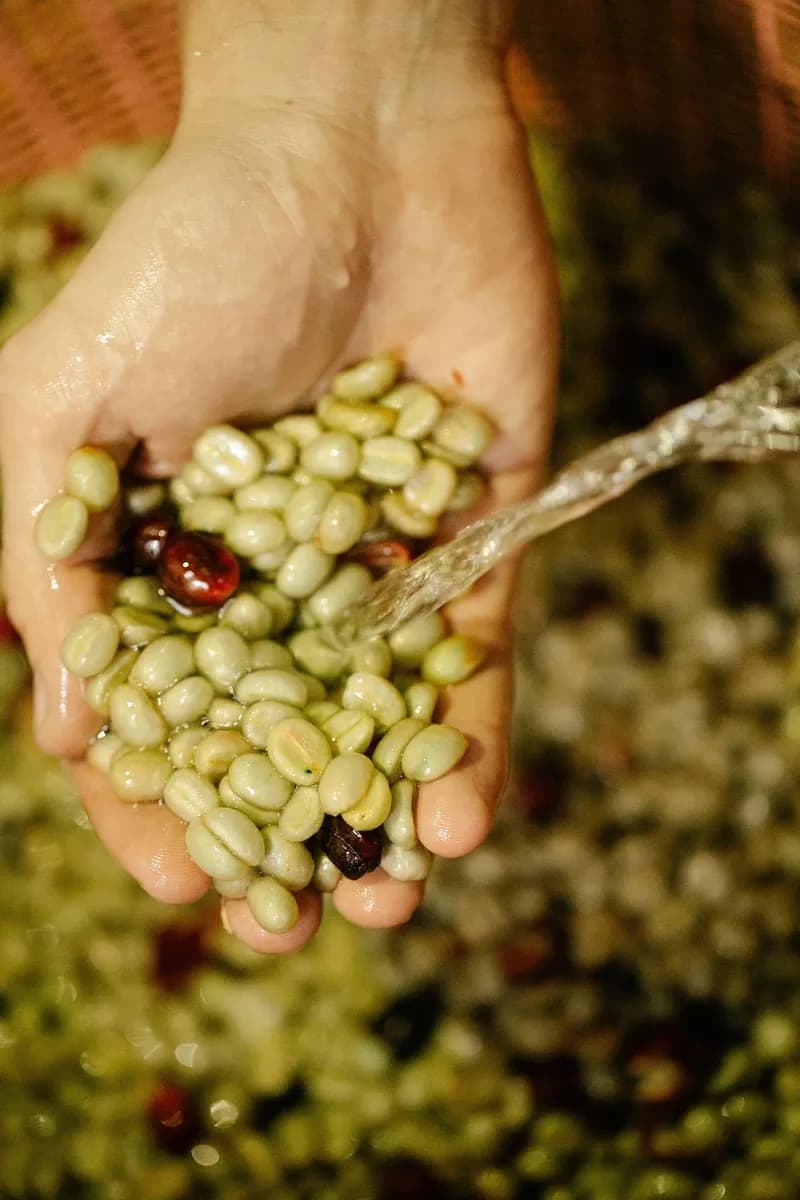
Processing
Washed, honey or fermented, depending on the lot. Each coffee page states its process.
- Foto: Imanishimwe Regis / Pexels
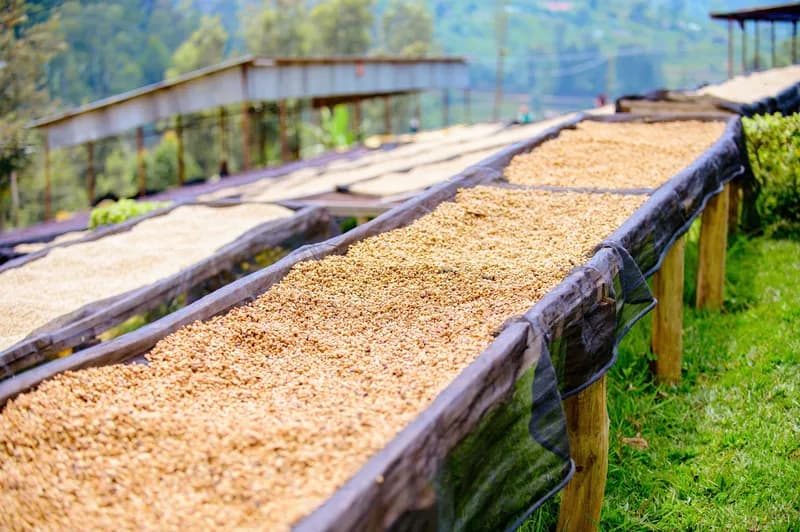
Drying
Down to 10–11% moisture. Each coffee page states the coffee’s moisture.
- Foto: Michael Burrows / Pexels
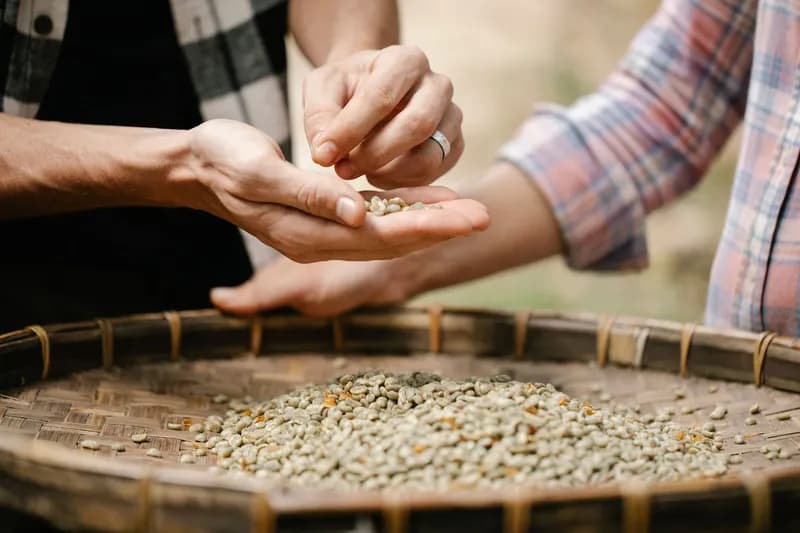
Milling and sorting
We remove the parchment and sort by size and defects, by machine and by hand.
- Foto: Nathan Dumlao / Unsplash
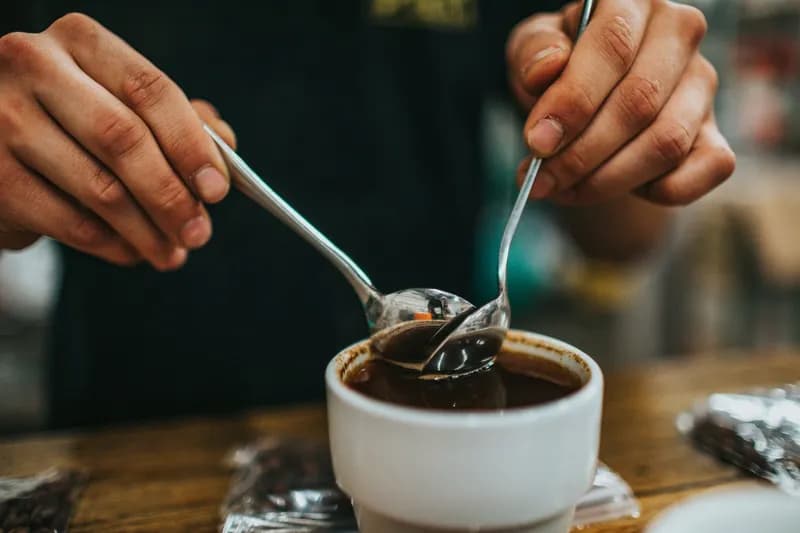
Cupping and dispatch
We cup every lot before offering it and keep a reference sample of every shipment.
What each coffee page shows
Every coffee in the catalogue shows the data a buyer needs to decide:
- Area, altitude and variety.
- Process, harvest, moisture and yield.
- Producer or cooperative, when they allow us to publish it.
- Downloadable technical sheet (PDF).
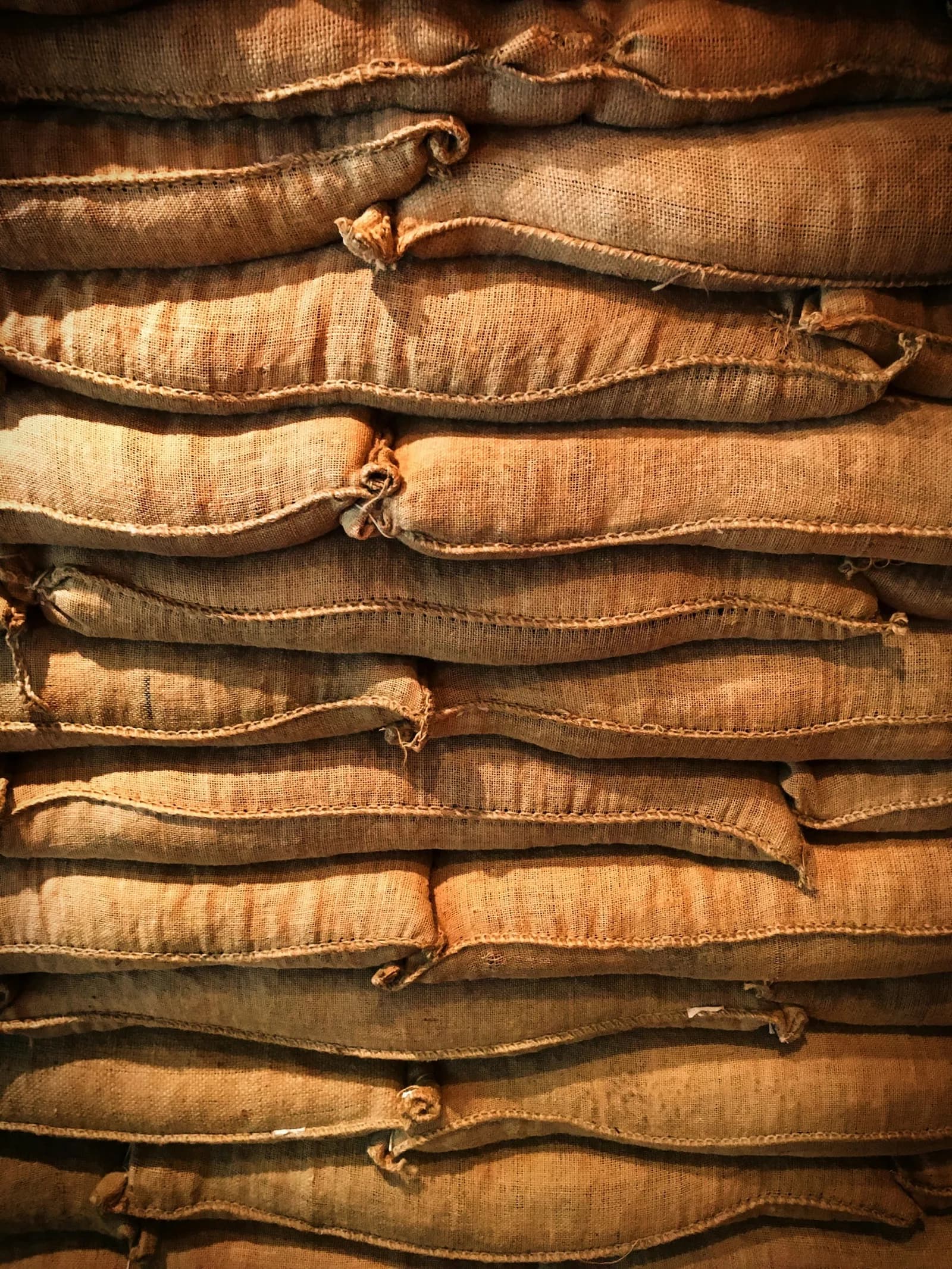 Foto: ideadad / Unsplash
The team and the cupping table
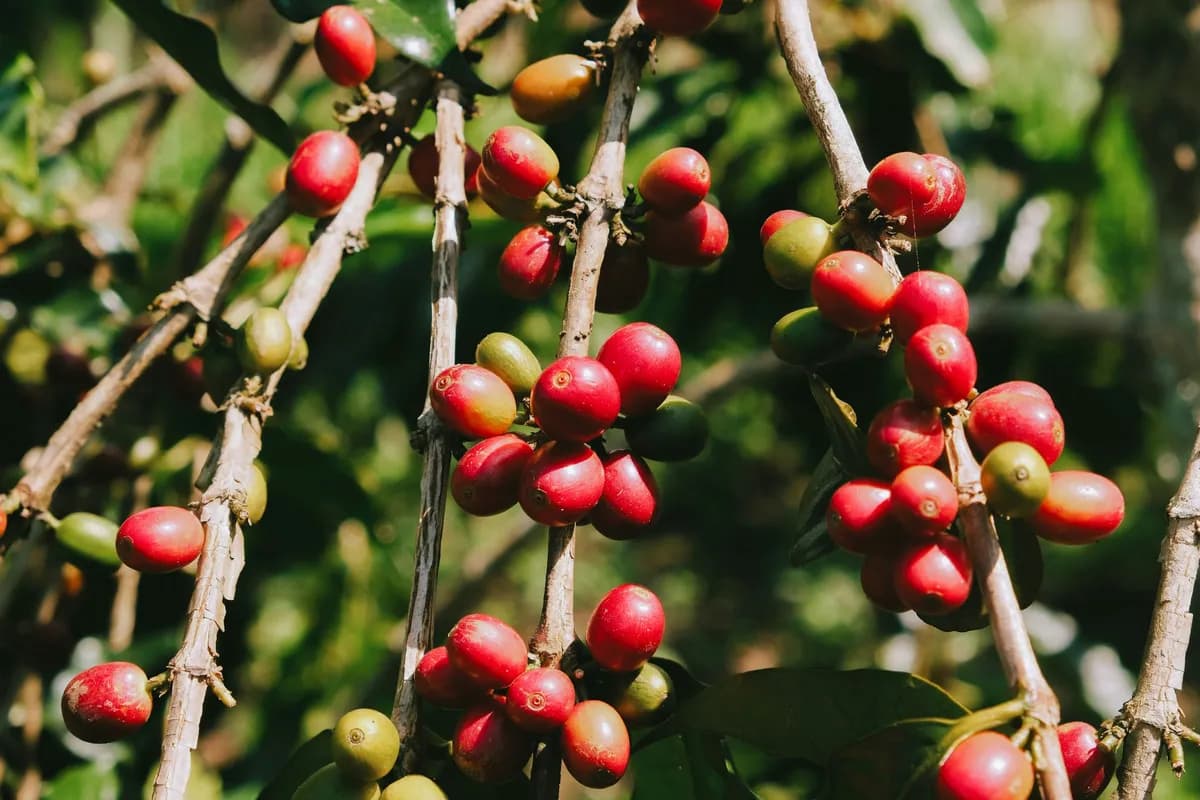
Foto: Faris Ristiansyah / Unsplash 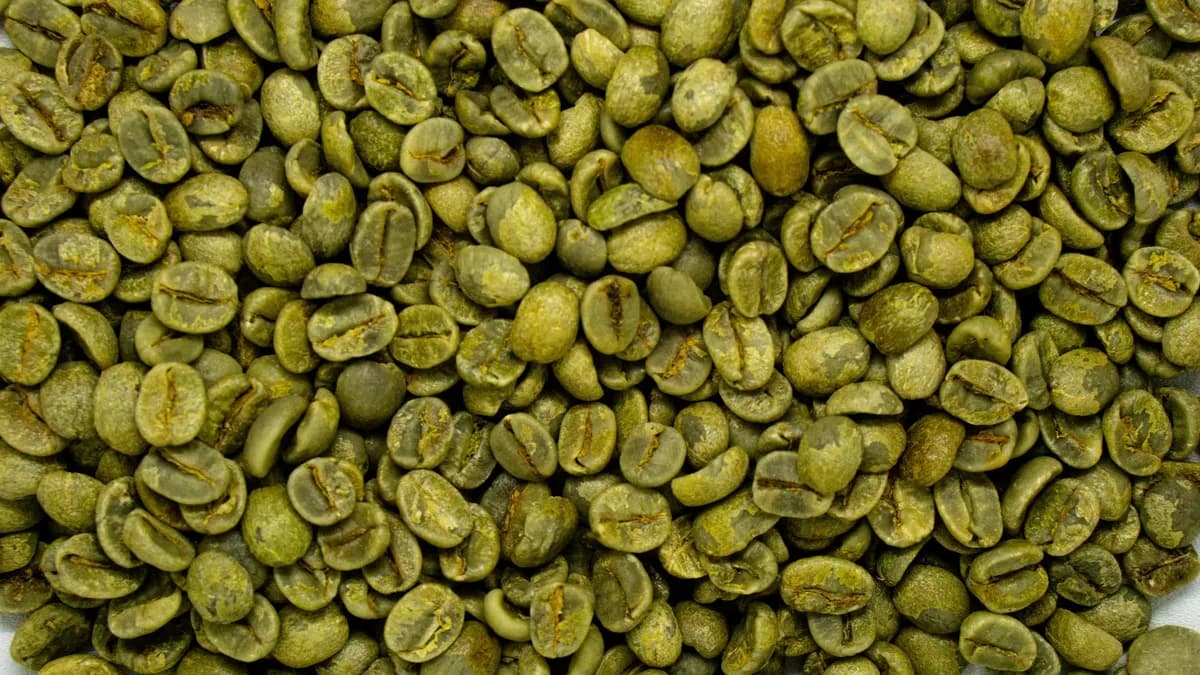
Foto: wisnu dwi wibowo / Unsplash 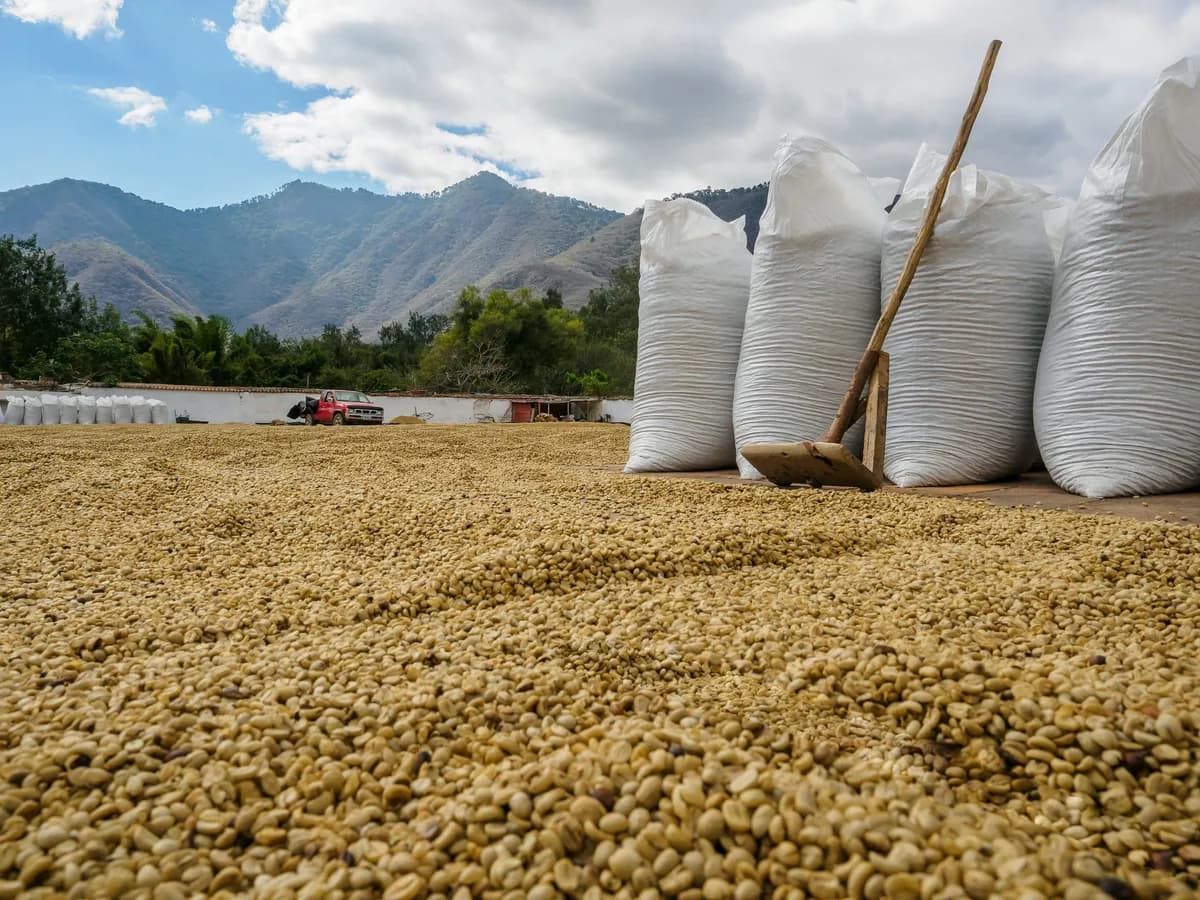
Foto: Alexander Schimmeck / Unsplash 
Foto: Burkhard Mücke / Wikimedia Commons, CC BY-SA 4.0 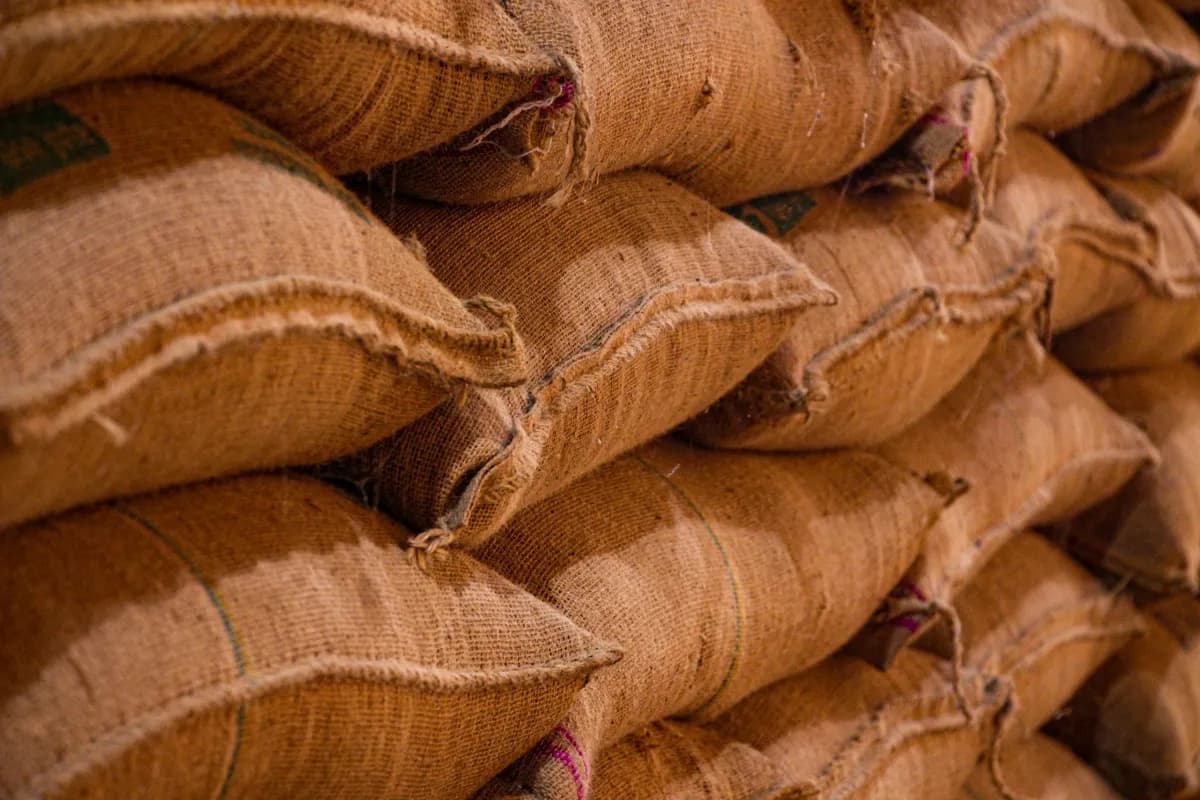
Foto: Vinicius Benedit / Unsplash 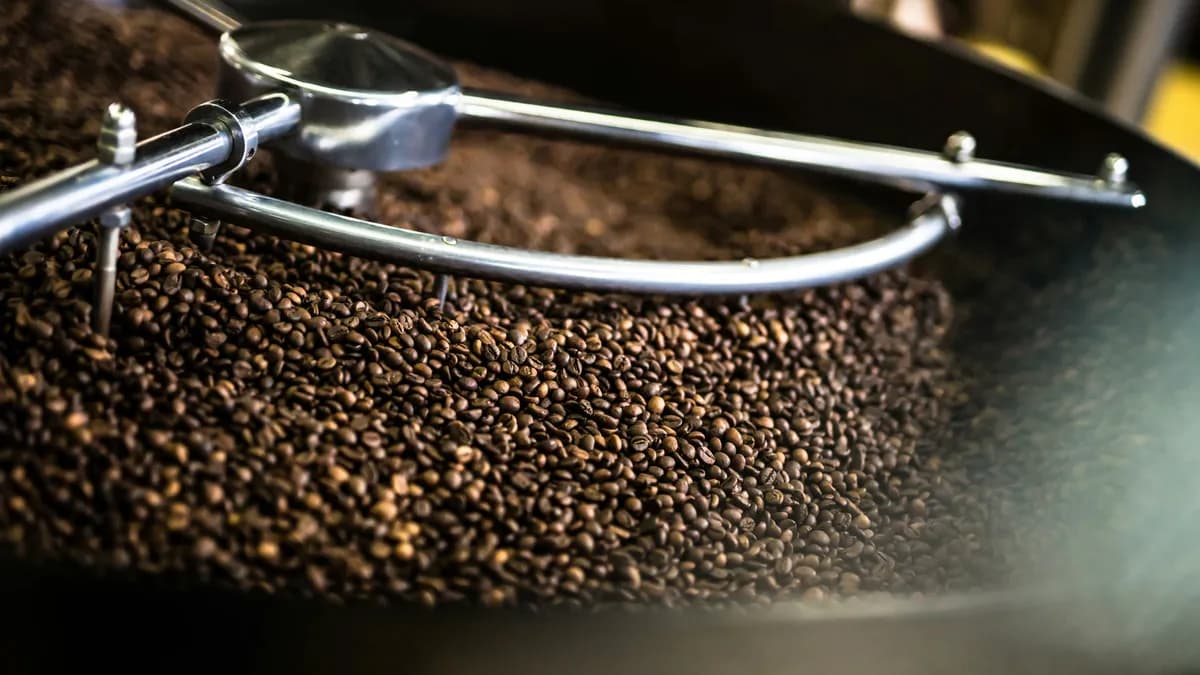
Foto: Volodymyr Proskurovskyi / Unsplash